
Our Approach to Cardiovascular Health
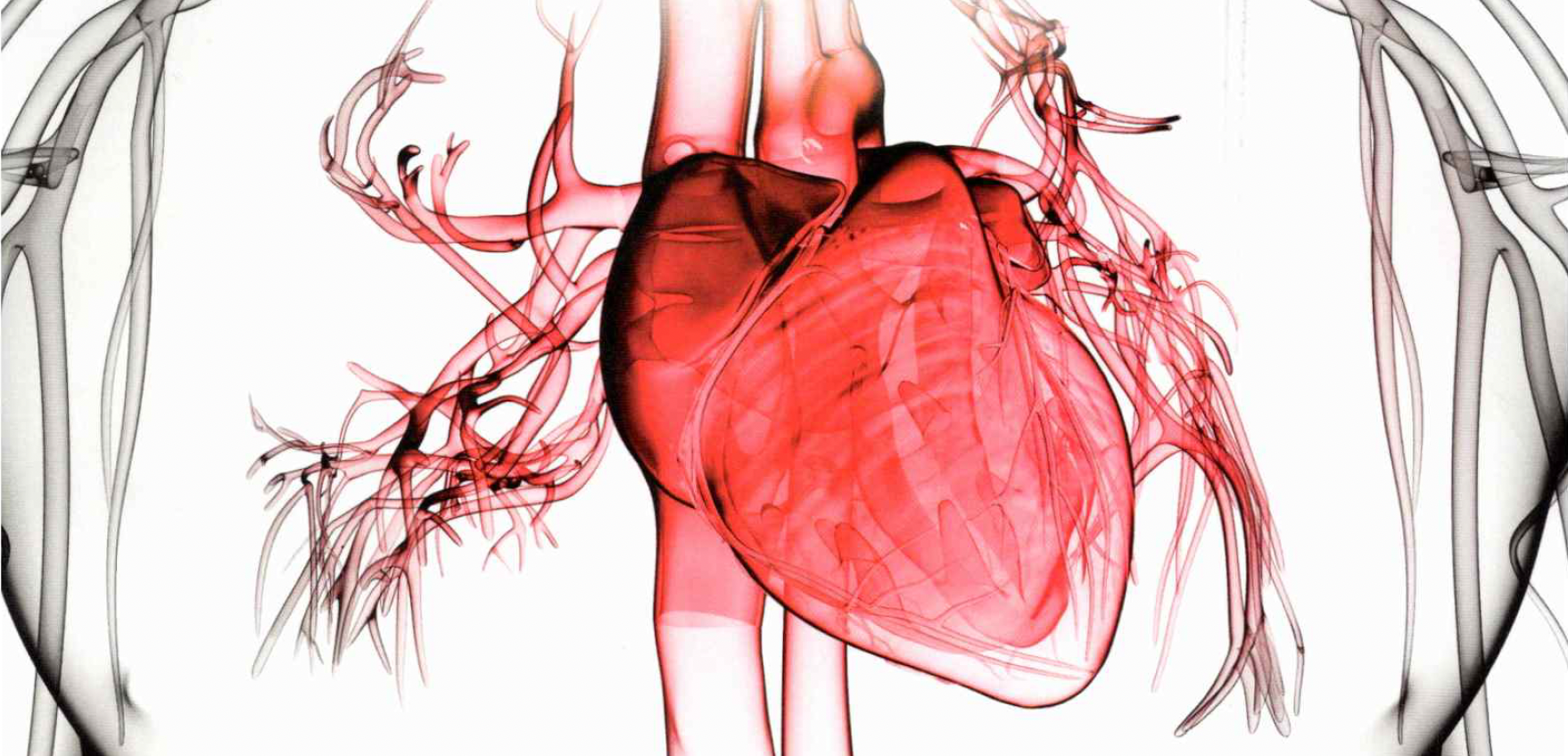
At Fully Alive, we believe cardiovascular prevention should begin long before a heart attack, stroke, or other vascular event occurs. Conventional screening often focuses primarily on cholesterol levels, blood pressure, and blood sugar. These are important, but they do not always reveal whether plaque is already developing, whether the arteries are becoming less flexible, or what biological processes may be driving vascular injury.
Our approach looks beyond a standard lipid panel to evaluate the health of the entire cardiovascular system. Depending on each person’s history and risk profile, this may include advanced cholesterol and lipoprotein testing, markers of inflammation and oxidative stress, blood-sugar regulation, clotting tendency, endothelial function, arterial stiffness, and imaging that looks directly for plaque.
We consider several interconnected areas:
Plaque burden: Is plaque already present in the carotid, femoral, coronary, or other arteries?
Lipoprotein risk: How many potentially atherogenic particles are circulating, and how easily might they enter the arterial wall?
Inflammation and oxidative stress: Are the blood vessels being irritated or damaged?
Endothelial function: Are the arteries producing sufficient nitric oxide and responding appropriately?
Blood pressure and arterial flexibility: Are the arteries becoming stiff, even if office blood pressure appears acceptable?
Blood-sugar regulation: Are glucose, insulin resistance, or metabolic dysfunction accelerating vascular aging?
Clotting and blood viscosity: Is there an increased tendency toward abnormal clot formation?
Lifestyle and environmental influences: How are nutrition, movement, sleep, stress, smoking, oral health, infections, and environmental exposures affecting vascular health?
We use tools such as carotid and femoral intima-media thickness imaging (CIMT), arterial elasticity and autonomic testing, advanced laboratory markers, and—when appropriate—coronary calcium scoring or coronary CT angiography. The goal is not simply to identify “high cholesterol,” but to determine whether vascular disease is present, how active it may be, and what is contributing to it.
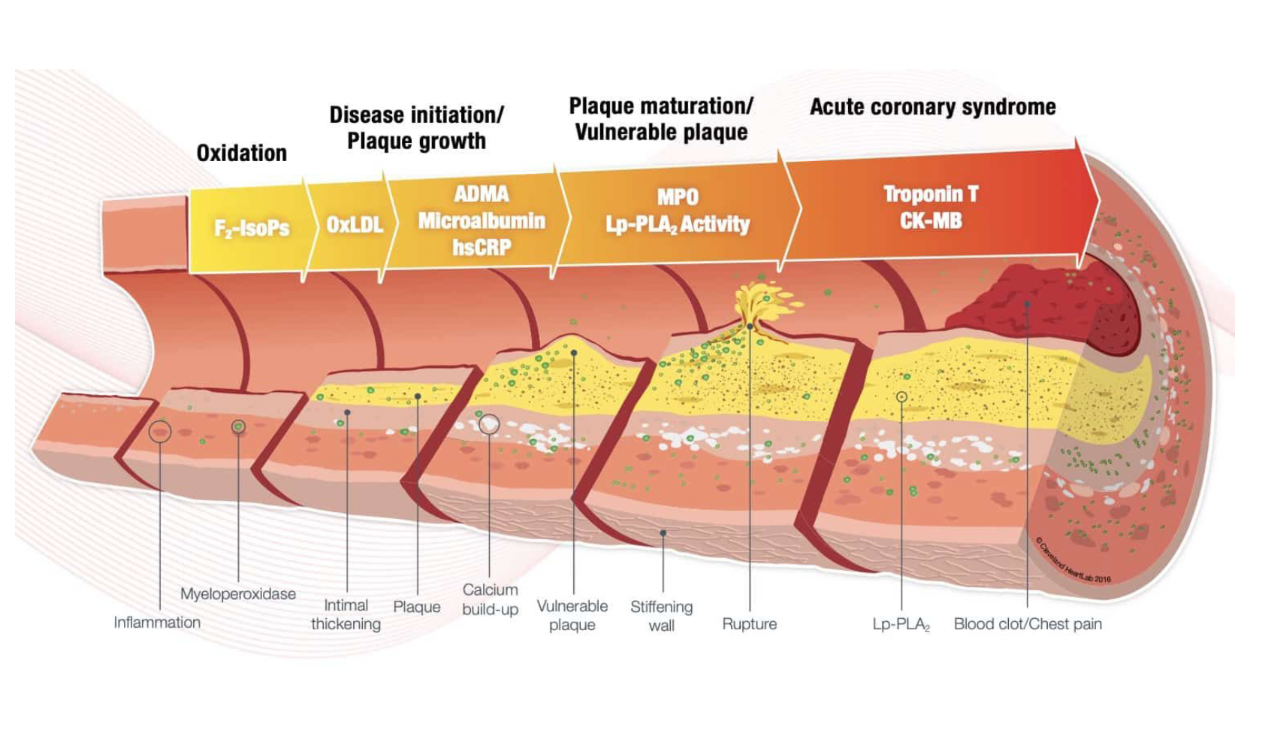
Carotid Intima-Media Thickness Testing
CIMT is a radiation-free, non-invasive ultrasound that measures the thickness of the carotid artery walls, detecting early arterial changes - often years or decades before symptoms or standard lab markers indicate increased cardiovascular risk. This test helps detect early signs of atherosclerosis, which can increase the risk of heart disease and stroke.
Heart Sound Recorder
A non-invasive diagnostic tool that analyzes the acoustic patterns of cardiac function. It helps detect subtle turbulence, valve irregularities, and hemodynamic stress that may not be apparent on routine examination. Capturing and digitally analyzing heart sounds provides additional insight into cardiovascular performance and early functional changes. When integrated with imaging and laboratory data, it strengthens our ability to assess risk and guide targeted cardiovascular support. read more
Max Pulse
A non-invasive assessment of arterial elasticity and autonomic nervous system balance. It evaluates vascular tone and endothelial responsiveness, offering insight into early functional cardiovascular stress.
Unlike structural imaging, it reflects how well your arteries adapt to physiologic demand in real time. When combined with CIMT and advanced labs, it helps identify modifiable drivers of vascular aging and guides targeted risk-reduction strategies. read more
Thriving for Comprehensive Vascular Assessment
Why do we combine all three: CIMT, Max Pulse, and Advanced Labs?
Because this trio measures three independent domains of vascular disease:
CIMT → structural burden
Max Pulse → arterial stiffness / endothelial function
Labs → inflammatory, metabolic, thrombotic drivers
When all three align, the uncertainty narrows significantly compared to:
Lipids (Cholesterol, LDL, etc.) alone
Framingham score alone or 10-year calculators
CAC (Coronary Artery Calcium) alone in early disease
By integrating all three, we are able to:
Establish your true cardiovascular baseline
Detect risk early
Monitor plaque progression over time (if you come in for repeat testing)
Identify modifiable drivers of arterial damage
And implement targeted strategies to stabilize or reduce risk
At Fully Alive, we provide Comprehensive Health Solutions tailored to your personalized findings, measurably lowering your long-term risk of heart attack and stroke.
Prevention Is Personal
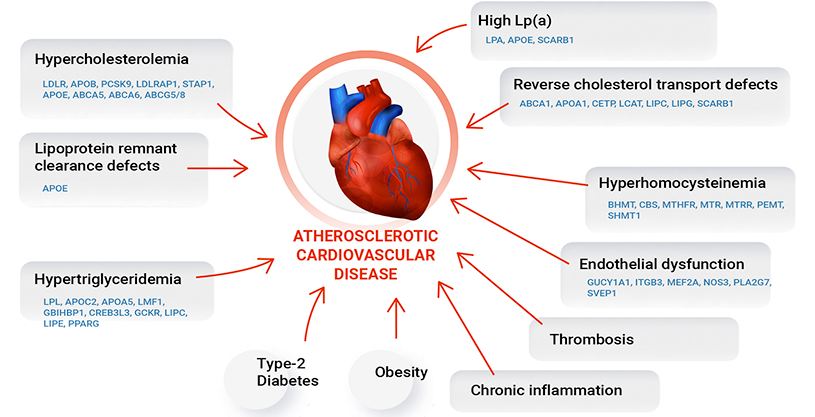
Two people with the same LDL cholesterol may have very different cardiovascular risks. One may have no detectable plaque, while the other may already have significant arterial changes. Genetics, including elevated lipoprotein(a), can also create risk that is not corrected by a healthy lifestyle alone.
For this reason, we do not rely on a single laboratory value or use the same protocol for everyone. We integrate family history, symptoms, medications, lifestyle, physical findings, laboratory patterns, and vascular imaging to develop an individualized prevention strategy.
From Risk Reduction to Vascular Restoration
Our first priority is to reduce the likelihood of a heart attack, stroke, or progression of peripheral vascular disease. When plaque is already present, we focus on stabilizing it and slowing or stopping further progression. Where possible, we also work to improve endothelial function, arterial flexibility, metabolic health, and the biological environment surrounding the plaque.
A personalized program may include:
Targeted nutritional and lifestyle changes
Exercise appropriate to the individual’s cardiovascular capacity
Blood-pressure and blood-sugar optimization
Reduction of ApoB-containing lipoproteins and other lipid-related risks
Support for healthy nitric-oxide production and endothelial function
Assessment of Heavy Metal Burden and Mineral Deficiency, and their correction
Management of inflammation, oxidative stress, and abnormal clotting tendencies
Collaboration with the client’s physician regarding medications, imaging, and specialist care
Follow-up testing to determine whether the plan is producing measurable improvement
We do not view supplements as a substitute for appropriate medical treatment. Statins, ezetimibe, blood-pressure medications, antiplatelet therapy, and other prescriptions may be essential for certain individuals. Our role is to help clarify the broader cardiovascular picture, address modifiable contributors, and work alongside conventional medical care.
Measure, Intervene, and Reassess
Effective prevention should be measurable. Rather than assuming that a program is working, we repeat selected laboratory markers and vascular assessments at appropriate intervals. This allows us to see whether inflammation is declining, lipoprotein risk is improving, arterial function is becoming healthier, and plaque appears stable.
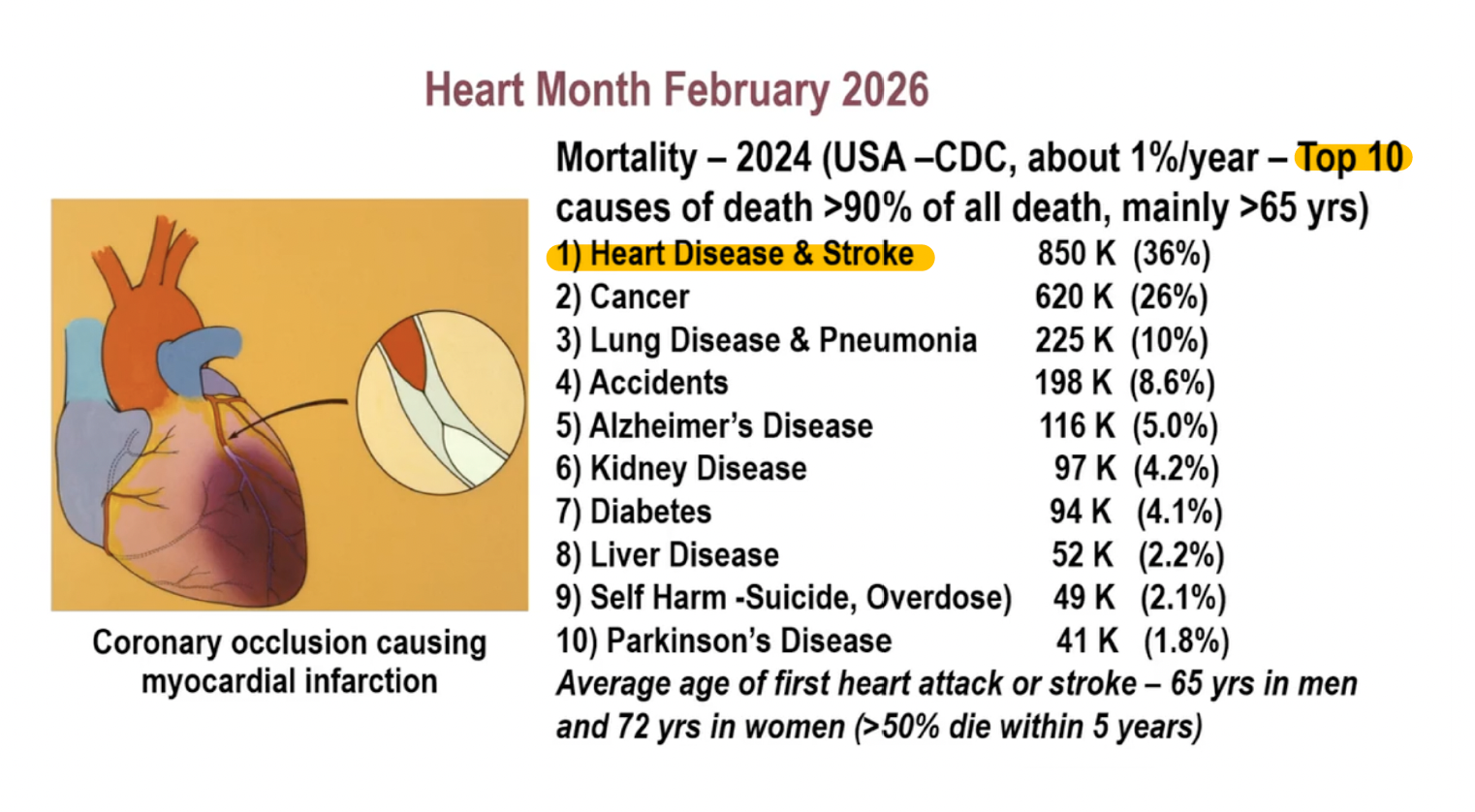
Cardiovascular disease often develops silently over many years. That also gives us an important window of opportunity. By identifying risk early and addressing the underlying drivers with precision, we can make prevention more proactive, personal, and effective.
Our goal is not merely to help people avoid a cardiovascular event. It is to help them preserve healthy circulation, physical vitality, cognitive function, and independence throughout a long life.
Let’s discuss how we would go about that, particularly with you.